
As the digital marketing landscape becomes increasingly complex, artificial intelligence technologies are emerging as a transformative force that both simplifies and reshapes SEO work. Today, SEO is no longer limited to keyword research, meta data, and backlink building; AI tools that analyze user intent, identify content gaps, study competitors, and generate strategic insights are redefining the entire discipline. And in line with this, search engines themselves are evolving with AI at their core too. Google’s Search Generative Experience (SGE) clearly shows how deeply artificial intelligence is shaping ranking and indexing processes.
In the middle of this transformation, AI SEO, or Artificial Intelligence SEO, has become a powerful approach for brands that want to stay ahead of the competition. By leveraging AI’s ability to analyze, interpret, generate, and optimize information, SEO processes can now be managed faster, more accurately, and more efficiently. This guide explores what AI SEO is, how it works, how it differs from traditional SEO, why it matters, and what to pay attention to when applying it.
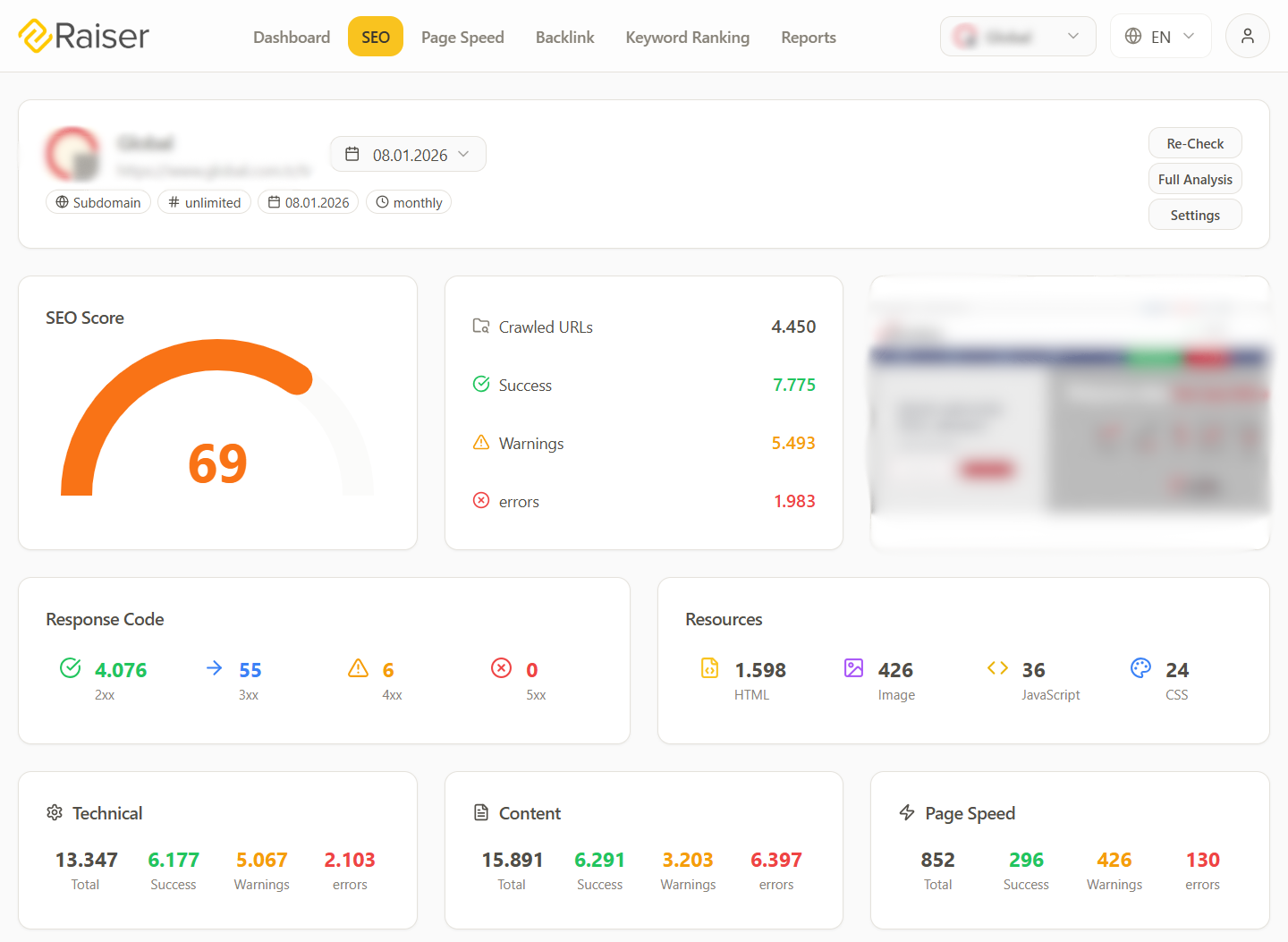
What Is AI SEO?
AI SEO refers to the process of enhancing search engine optimization using artificial intelligence technologies. In this approach, AI plays an active role across technical SEO, content strategy, and decision-making processes. Traditional SEO relies largely on manual analysis and human judgment, while AI SEO processes and interprets data automatically, placing the results at the center of SEO strategy.
The core objectives of AI SEO include:
- Performing faster and more accurate data analysis
- Creating content aligned with user intent
- Optimizing the technical structure of a website
- Speeding up content creation processes
- Strengthening competitive analysis with machine learning
- Adapting quickly to algorithm updates
AI SEO does not replace human expertise; instead, it enhances it with the power of artificial intelligence.
How AI SEO Works
To understand how AI SEO works, one must look at the roles AI plays in SEO processes. AI analyzes and interprets huge datasets in very short time, giving SEO specialists significant strategic advantages. The functioning of AI SEO is based on several mechanisms:
- Data Analysis and Insight Generation
Machine learning algorithms scan millions of data points, analyzing user behavior, trend shifts, and potential opportunities. This reveals which keywords to prioritize, which content is missing, and which technical issues may affect rankings. - Content Creation and Optimization
AI provides topic suggestions, headline structures, meta descriptions, content gap analysis, and optimization guidance. It can also help generate long-form content aligned with search intent. - Technical SEO Audits
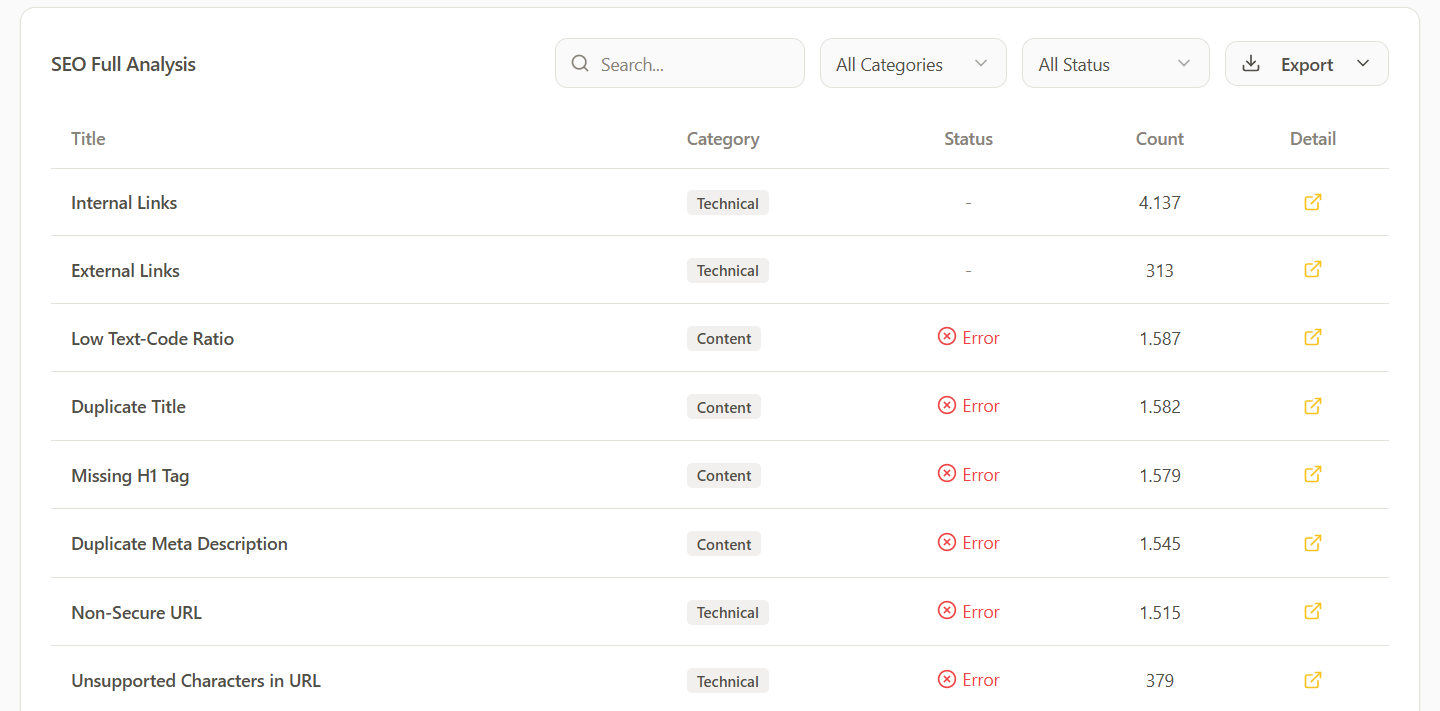
AI-powered crawlers automatically detect technical issues—site speed problems, crawl errors, broken paths, and more—while offering prioritized recommendations. - User Experience Analysis
AI reviews engagement metrics such as time on page, click patterns, and user flows to offer UX improvement suggestions that can boost rankings. - Competitor Analysis
AI studies competitor keyword strategies, content structures, backlink profiles, and technical performance to provide insights that can strengthen your competitive edge.
These mechanisms show that AI SEO is not just a set of tools, but a complete working philosophy.



References










Case Studies



Testimonials
Raiser completely changed the way we approach SEO and lead generation. What once seemed too complex and technical became manageable thanks to its user-friendly interface and powerful tools. We were able to analyze our site, fix issues, and implement targeted SEO improvements on our own. As a result, not only did our traffic grow, but the quality and quantity of our inbound leads increased significantly.

Rabia K.
Workinton
As an e-commerce brand, we struggled to understand why our website wasn’t performing for SEO. Raiser quickly highlighted key SEO issues and gave us clear, actionable steps. With improved site structure, faster load times, and smarter content optimization, we saw higher rankings, more qualified traffic, and a real boost in sales. Raiser didn’t just fix problems—it gave us the confidence to grow.

Ugur C.
Pazarium
Managing a global corporate website comes with the challenge of addressing different regional needs. Raiser helped us implement location-specific SEO improvements and content strategies that actually made a difference. From identifying regional keyword opportunities to optimizing pages per market, we gained both visibility and relevance in key local search results—without complicating our global structure.

Erdinc D.
Franke Turkiye
Using Raiser SEO solutions, we were able to get our digital marketing operations in order. Understanding clearly what needs to be done for improvement with in-depth analysis and seeing the results of our work with regular, detailed reports helped us immensely in speeding up our website, making it more user-friendly, and getting better rankings in Google.

Hanno A.
Briisk