
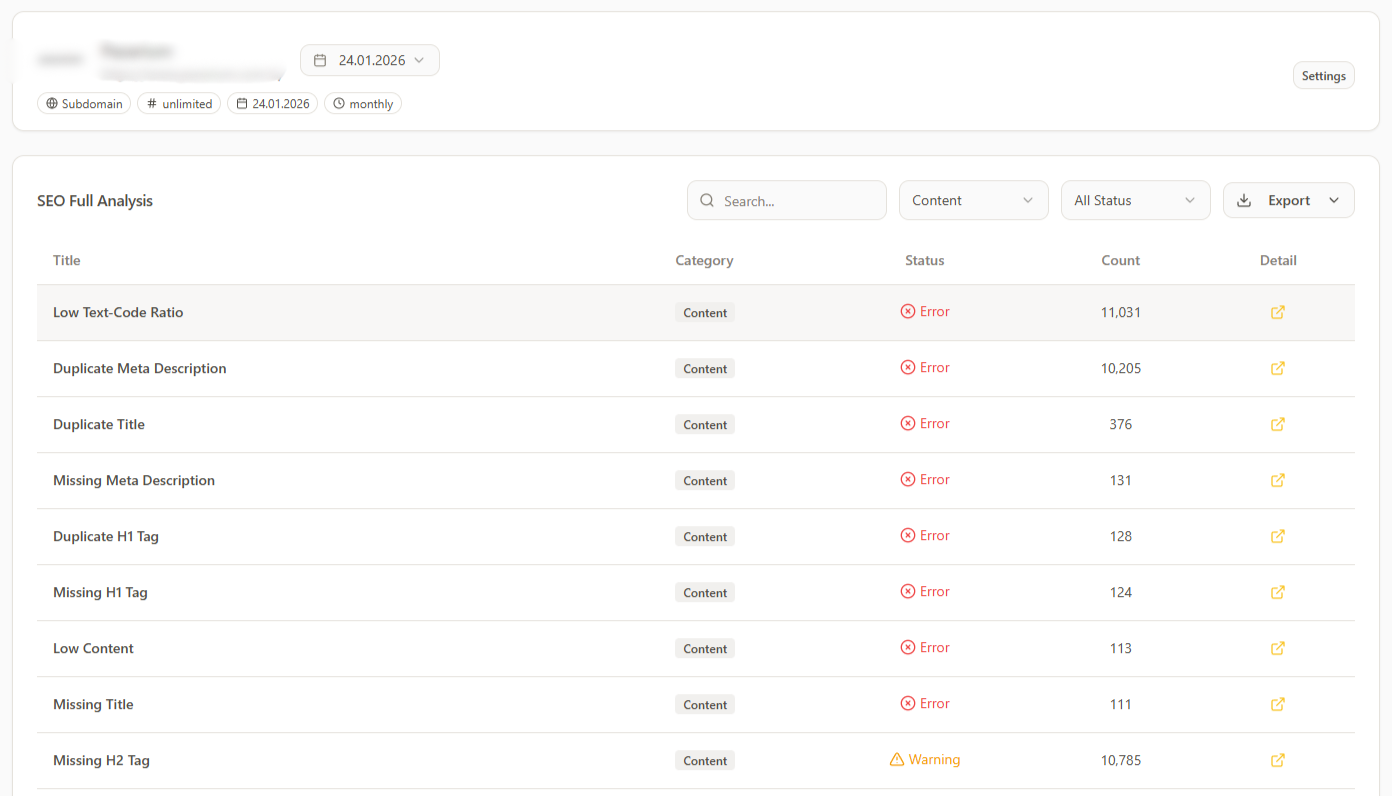
Category content generally refers to the descriptive text placed on category or collection pages in websites, particularly in e-commerce or content-heavy platforms. Its purpose is to provide context, improve search engine visibility, and help users understand what type of products or articles are grouped under that category. Well-written category content enhances both SEO performance and user experience.
What is Category Content?

Category content is typically a short-to-medium length block of text found at the top or bottom of a category page (e.g., “Men’s Shoes,” “Laptops,” or “Digital Marketing Guides”). It introduces the category, explains what users can expect to find, and often includes strategically placed keywords to help the page rank for relevant search queries.

Why Is Category Content Important?

Category content is especially important in e-commerce sites. Here are some of the reasons why:
Improves Search Visibility: Search engines rely on content to understand what a page is about. Category content helps category pages rank for broader, high-volume keywords that users often search for.
Supports Internal Linking and SEO Structure: Including internal links to subcategories or related products/articles strengthens site architecture and helps crawlers discover more content.
Enhances User Understanding: Visitors arriving from search engines may not know what a category contains. A clear introduction sets expectations and encourages browsing.
Increases Engagement and Conversions: Helpful, relevant descriptions can lead to longer sessions, more clicks, and higher conversion rates.
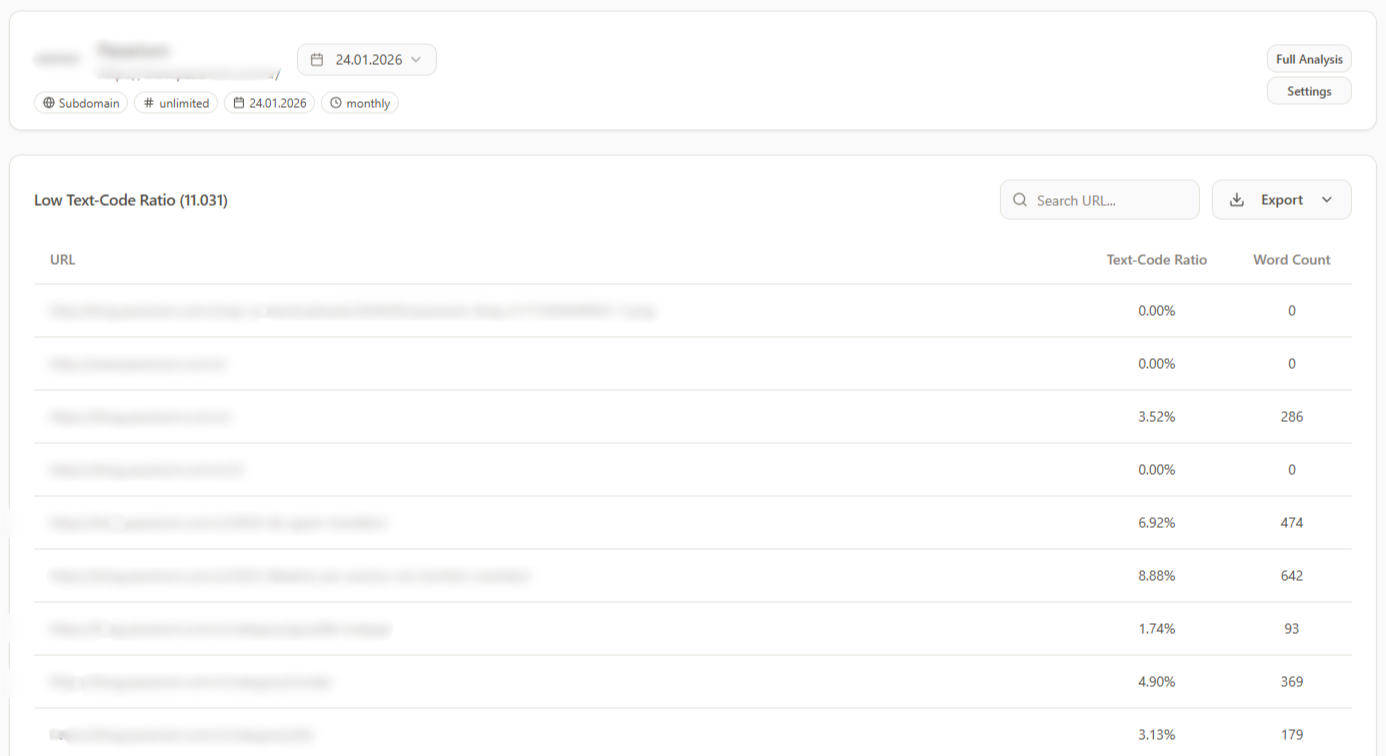
Writing content is no easy task, and category content is no exception. However, there are certain guidelines you can follow to make sure your category content is up to the standards:

  • Descriptive and clear – Explain what the category includes and who it’s for.
  • Keyword-targeted – Naturally include relevant search terms without overstuffing.
  • Unique and originalDuplicate content is a big no in SEO. Avoid duplicating descriptions across categories to prevent content cannibalization.
  • Helpful structure – Use short paragraphs, subheadings, or even bulleted lists for better readability.
  • Aligned with search intent – Understand what users expect to find in the category and address that directly.

Here are some additional tips for writing category content:

  • Start with a clear, engaging introduction related to the category’s theme.
  • Include relevant keywords early in the text, preferably within the first sentence.
  • Use internal links to subcategories or featured items.
  • Keep it concise—typically 150–300 words is enough for most cases. More on this in the following lines.
  • Update content periodically to reflect seasonal changes, new products, or shifting search trends.

Category content can be placed in different areas on a web page, depending usually on page design and the importance of the content. Here are two common placements:

  • Above the product or content grid – Useful for search engines and users who want quick context, but can push key listings below the fold.
  • Below the grid – Keeps the focus on products or articles but still provides SEO value without disrupting the browsing experience.

Some websites use a collapsed text module or expandable section to maintain a clean layout while still benefiting from SEO.

There’s no one-size-fits-all answer to this, but most effective category content falls within the range of 150 to 300 words. This length is typically enough to:

  • Provide context for users
  • Include relevant keywords naturally
  • Avoid pushing core content (like product listings) too far down the page

In more competitive niches, or when targeting long-tail variations, up to 500 words may be appropriate—especially if placed below the product grid.

Keep in mind:

  • Focus on quality over quantity
  • Avoid filler just to hit a word count
  • Adjust the length based on the complexity of the category and the needs of your audience

Ultimately, the content should be long enough to be useful, but short enough to keep users engaged.

Here are some common mistakes to avoid when preparing category content:

  • Using duplicate text across multiple categories
    Repeating the same content on different pages confuses search engines and may lead to ranking issues or content cannibalization.
  • Neglecting keyword optimization
    Missing out on relevant search terms reduces the visibility of category pages in search results. Keywords should be included naturally in the content.
  • Overloading the page with keywords
    Keyword stuffing makes the text hard to read and can harm SEO. The content should prioritize clarity and usefulness over repetition.
  • Writing vague or generic content
    Content that doesn’t explain what’s in the category or who it’s for fails to guide users or satisfy search intent.
  • Hiding the content completely
    Some sites use tabs or JavaScript to hide content from users and search engines, which can weaken its SEO impact.
  • Ignoring updates
    Failing to refresh category content as products, trends, or search behavior change can lead to outdated or irrelevant messaging.

Avoiding these mistakes ensures your category content supports SEO goals while delivering value to visitors.

Start Using It With Low Cost – Optimize your site starting from 39 euros

References

Case Studies

+ 468%

organic impressions

+ 376%

sessions – non brand

+ 2.804

word first page

+ 597%

organic impressions

+ 488%

sessions – non brand

+ 4.230

word first page

+ 211%

organic impressions

+ 271%

sessions – non brand

+ 176

word first page

+ 654%

organic impressions

+ 410%

sessions – non brand

+ 4.837

word first page

Testimonials

Raiser completely changed the way we approach SEO and lead generation. What once seemed too complex and technical became manageable thanks to its user-friendly interface and powerful tools. We were able to analyze our site, fix issues, and implement targeted SEO improvements on our own. As a result, not only did our traffic grow, but the quality and quantity of our inbound leads increased significantly.

Rabia K.

Workinton

As an e-commerce brand, we struggled to understand why our website wasn’t performing for SEO. Raiser quickly highlighted key SEO issues and gave us clear, actionable steps. With improved site structure, faster load times, and smarter content optimization, we saw higher rankings, more qualified traffic, and a real boost in sales. Raiser didn’t just fix problems—it gave us the confidence to grow.

Ugur C.

Pazarium

Managing a global corporate website comes with the challenge of addressing different regional needs. Raiser helped us implement location-specific SEO improvements and content strategies that actually made a difference. From identifying regional keyword opportunities to optimizing pages per market, we gained both visibility and relevance in key local search results—without complicating our global structure.

Erdinc D.

Franke Turkiye

Using Raiser SEO solutions, we were able to get our digital marketing operations in order. Understanding clearly what needs to be done for improvement with in-depth analysis and seeing the results of our work with regular, detailed reports helped us immensely in speeding up our website, making it more user-friendly, and getting better rankings in Google.

Hanno A.

Briisk

For Agencies

Elevate efficiency with our powerful business enhancement tools and engage your target audience

White Label

Connect with ease across all channels.

Customization

Unlock insights for informed decisions.

Cost Effective

Connect with ease across all channels.